

Program Overview
The Supportive Housing and Resident Services Academy (SHRSA) is a professional development and continuing education program designed for individuals working in supportive housing, resident services, and community-based programs. Through workshops, networking events, peer learning opportunities, and our Annual Training Institute, participants build practical skills, stay informed on emerging trends, and connect with professionals from across the region.
Our goal is to build a strong network of service providers who learn from one another, share best practices, and collaborate across sectors to create lasting impact in the communities they serve.
Who is it for
SHRSA fills a critical gap for those working in:
• Resident Services Providers
• Supportive Services Staff
• Property Management Professionals
“By bringing organizations together, SHRSA helps you learn best practices, stay current on industry trends, and gain tools to improve program outcomes”
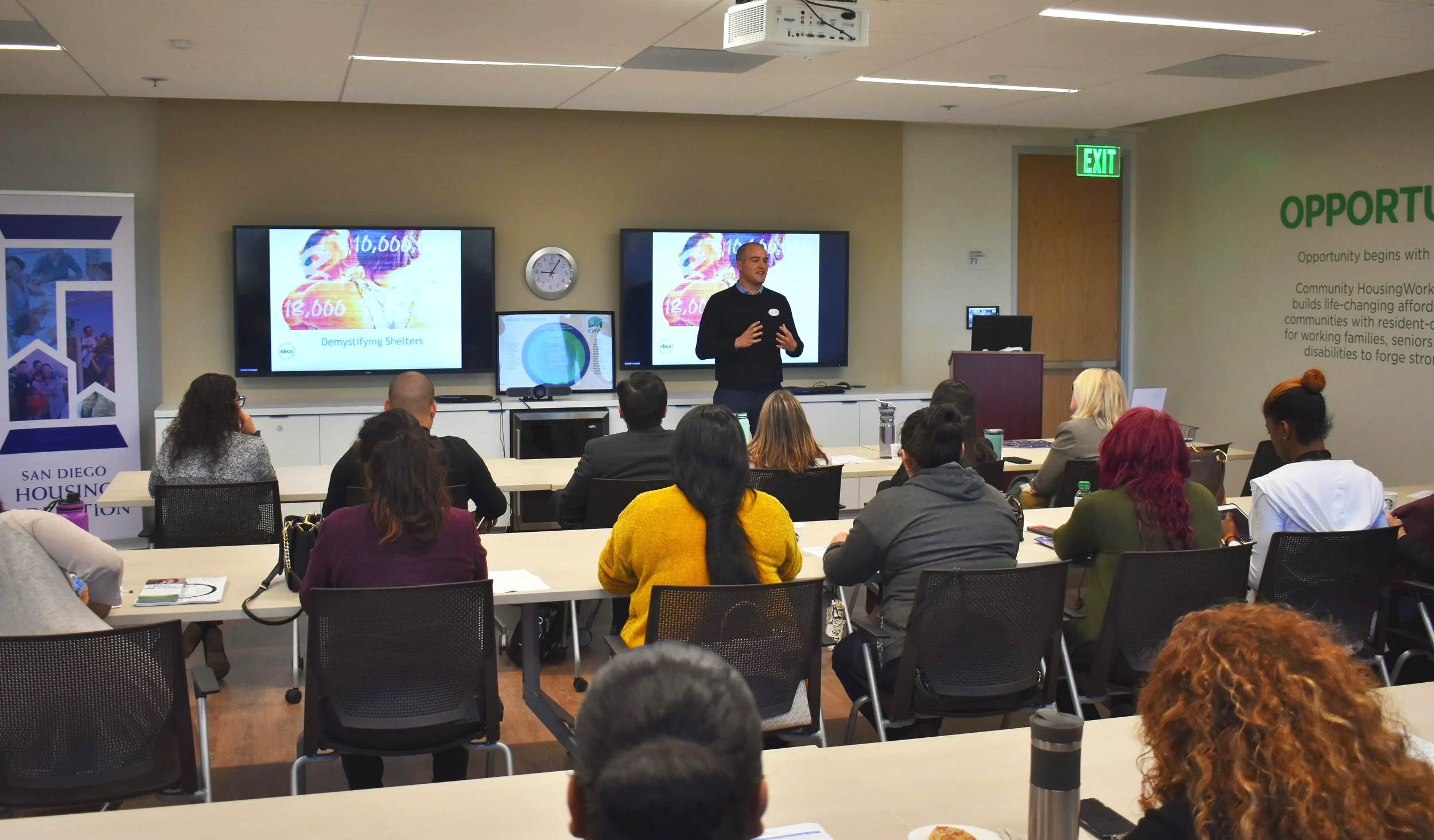
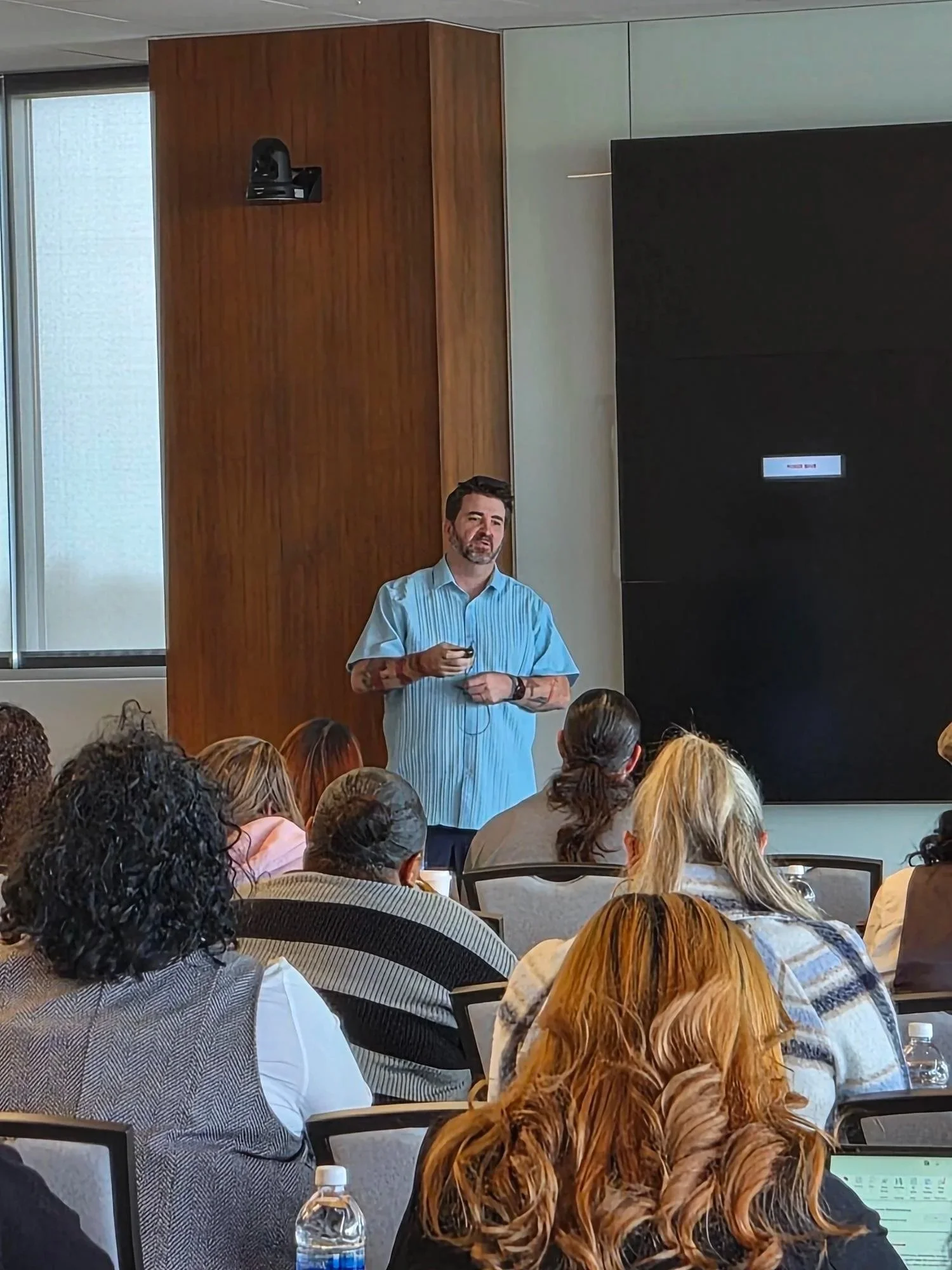
SHRSA In Action
Where community needs meet real solutions
In an ever-changing nonprofit landscape, professionals working in affordable and supportive housing must continuously adapt to evolving laws, regulations, funding shifts, and external factors that can directly impact residents—often with little notice. That’s where we come in.
SHRSA in Action is a dynamic, responsive forum designed to address urgent community needs as they arise. By bringing together service providers, housing professionals, and key resource partners, this space fosters real-time information sharing and collaboration.
Together, we create a coordinated and informed response—so that the communities we serve receive the support they need, when they need it most.
Upcoming Workshop
HUD Changes: Preparing for what's next
VIRTUAL via ZOOM
Tuesday, August 25th, 9:00 AM –10:30 AM
FREE for members of SDHF
$20 for non-members of SDHF.
Join us for an informative workshop on recent HUD changes and what they may mean for affordable housing residents. Learn about key policy updates, how they may affect residents, and practical strategies for communicating changes, answering questions, and supporting your community with confidence.
SHRSA Institute
Sponsored by
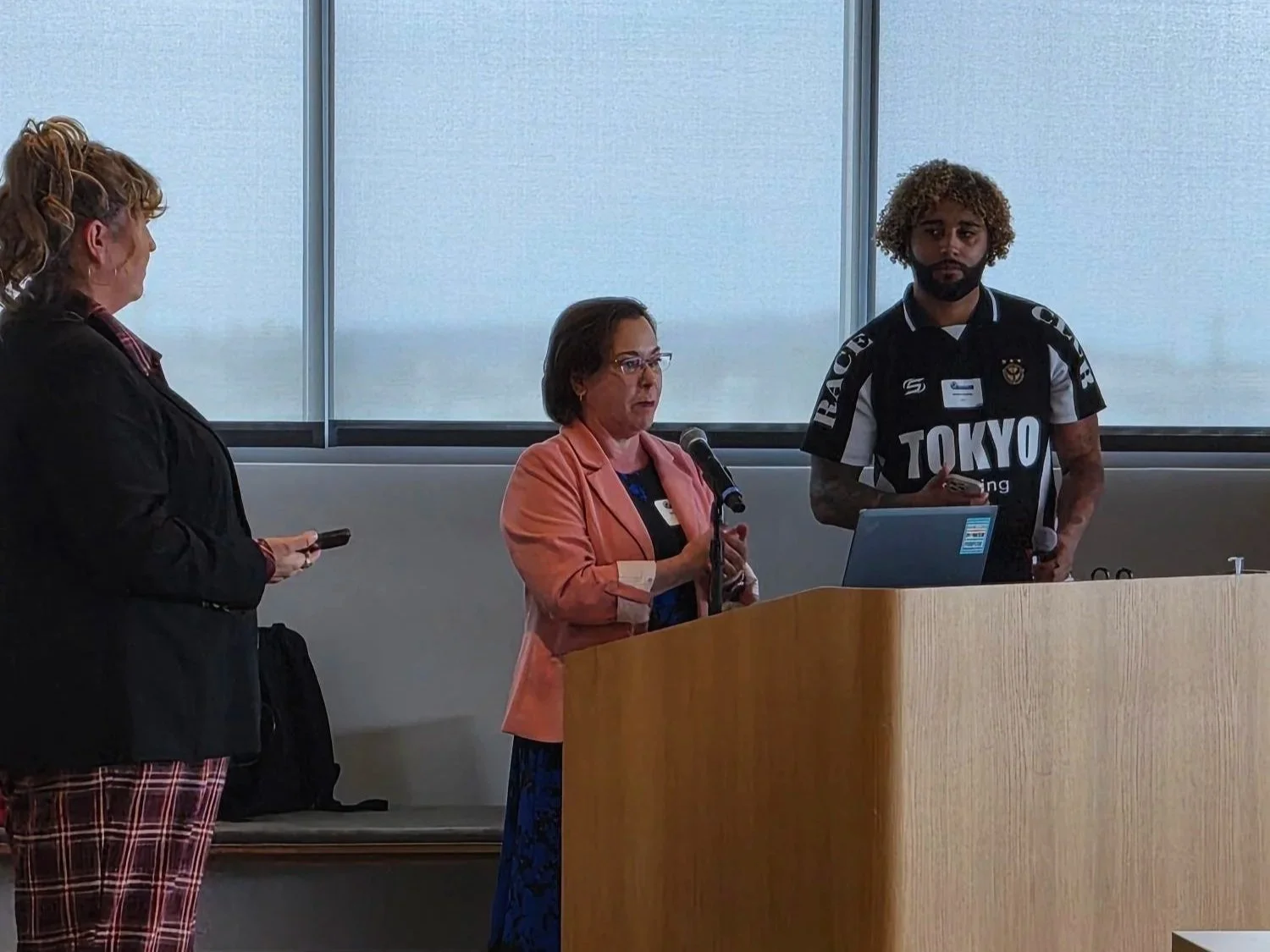
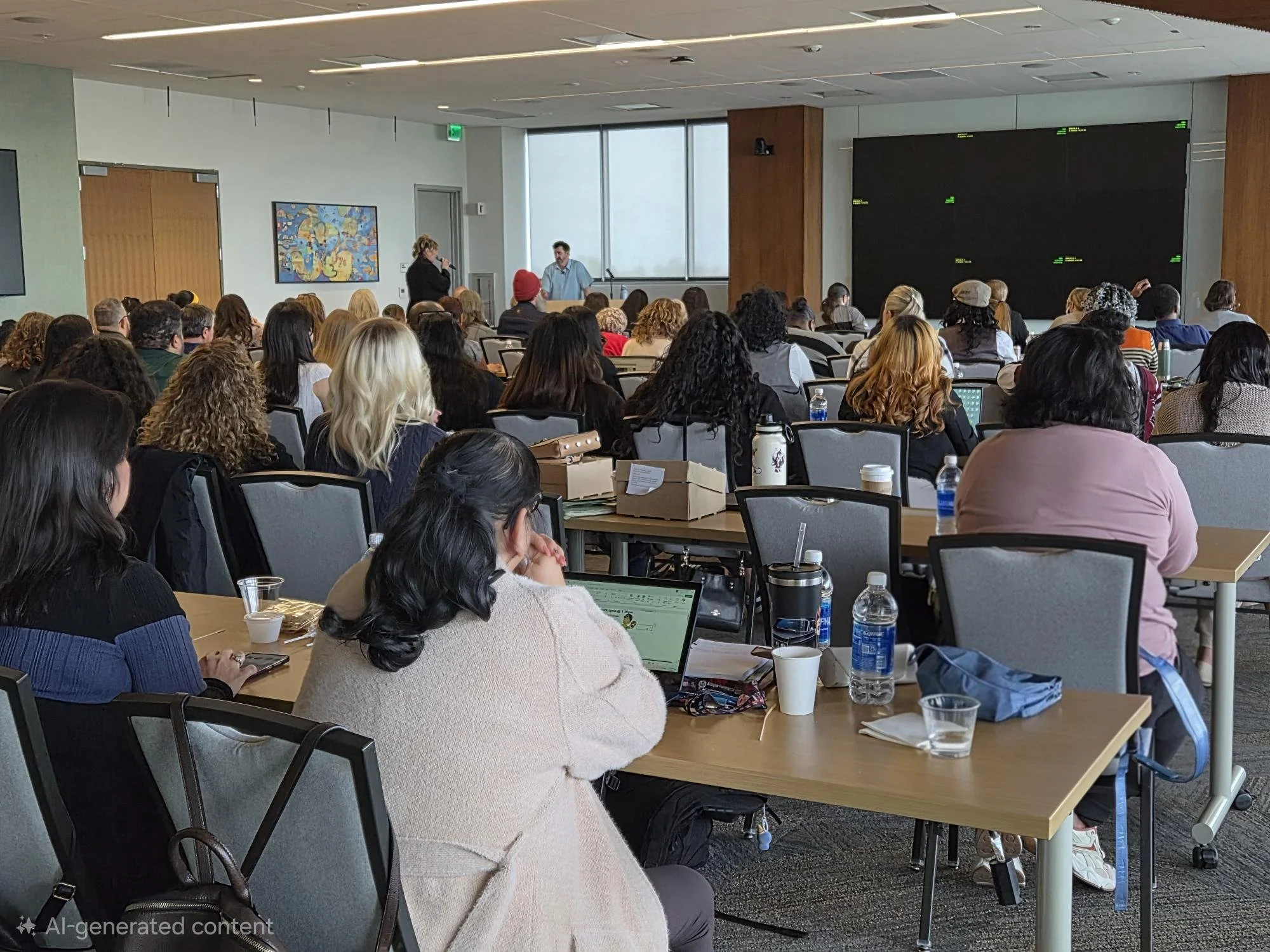
San Diego Housing Federation successfully hosted the second SHRSA Institute on January 28, 2026, an all day training event convening over 100 professionals from a variety of sectors. The Institute provided critical, interactive training focused on essential sector challenges. Some of the topics included: "Homelessness 101 - Myths about homelessness, coordinated entry system, trauma in transition, challenges of being housed" and "Empowering Recovery: Peer Support Perspectives in Supportive Housing".
Featured Keynote Speaker, Keith E. Lyons, emphasized the critical importance of self-care for service professionals. He framed self-care not as a luxury but as an essential component of effective, sustainable service delivery—particularly for those working in high-demand, emotionally taxing roles.
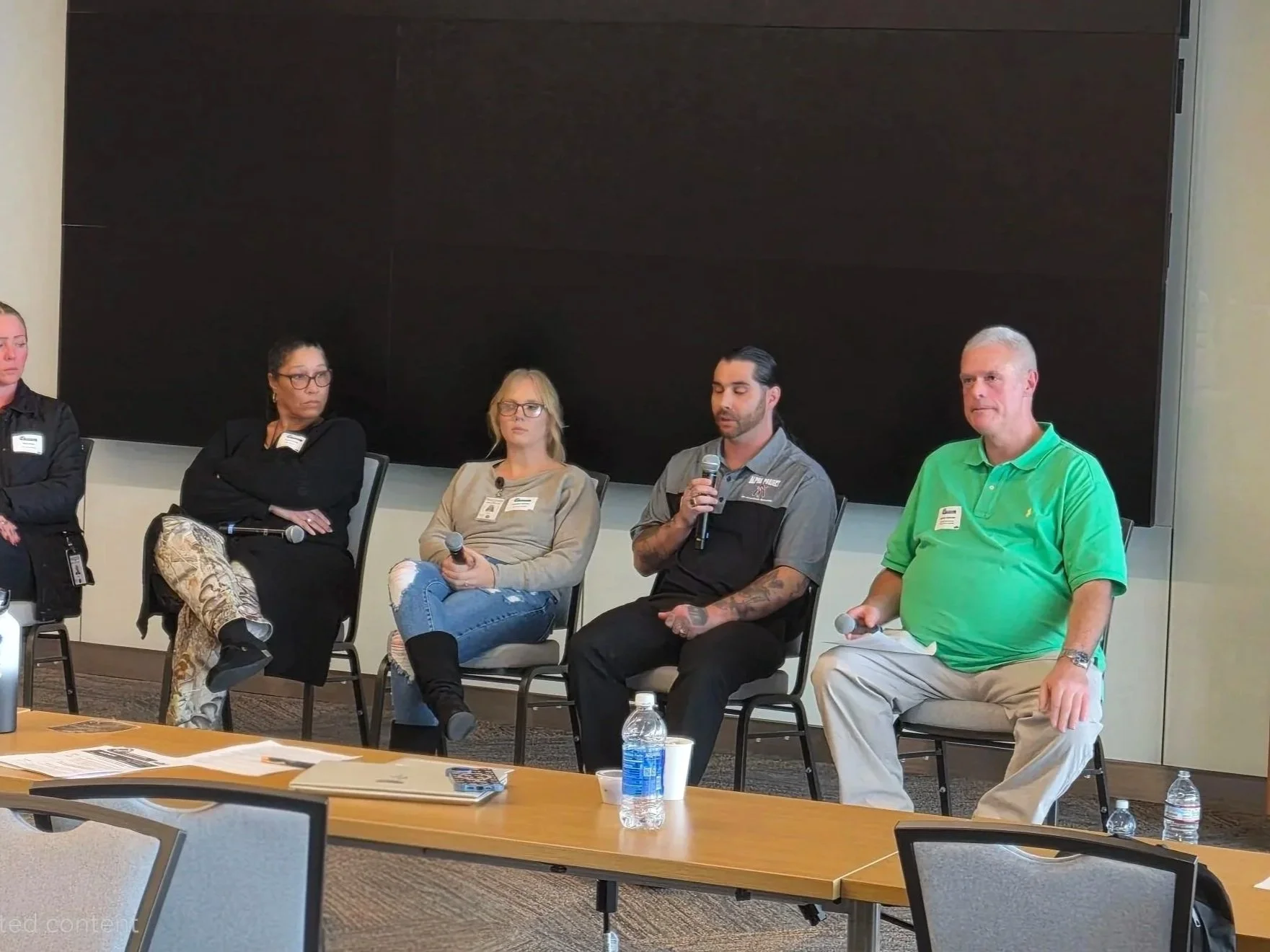
Peer support perspectives panel
Presenters:
Jeffery Najarian - Wellness Coordinator Manager, with Wakeland Housing and Development
Vincent McIntyre – Peer Support Case Manager, Alpha Project
Heather Basten - Peer Support Specialist, COSD Strength Based Case Management
Sara Gray - East County Behavioral Health Center
Keynote Speaker
Presenters:
Keith E. Lyons aka The Anxious Mammal
Policy Update
Presenters:
Simone Ruff - CSH